
Lean Mass vs. Fat Mass Ratio: The Ultimate 2025 Guide to Building a Stronger, Healthier Body


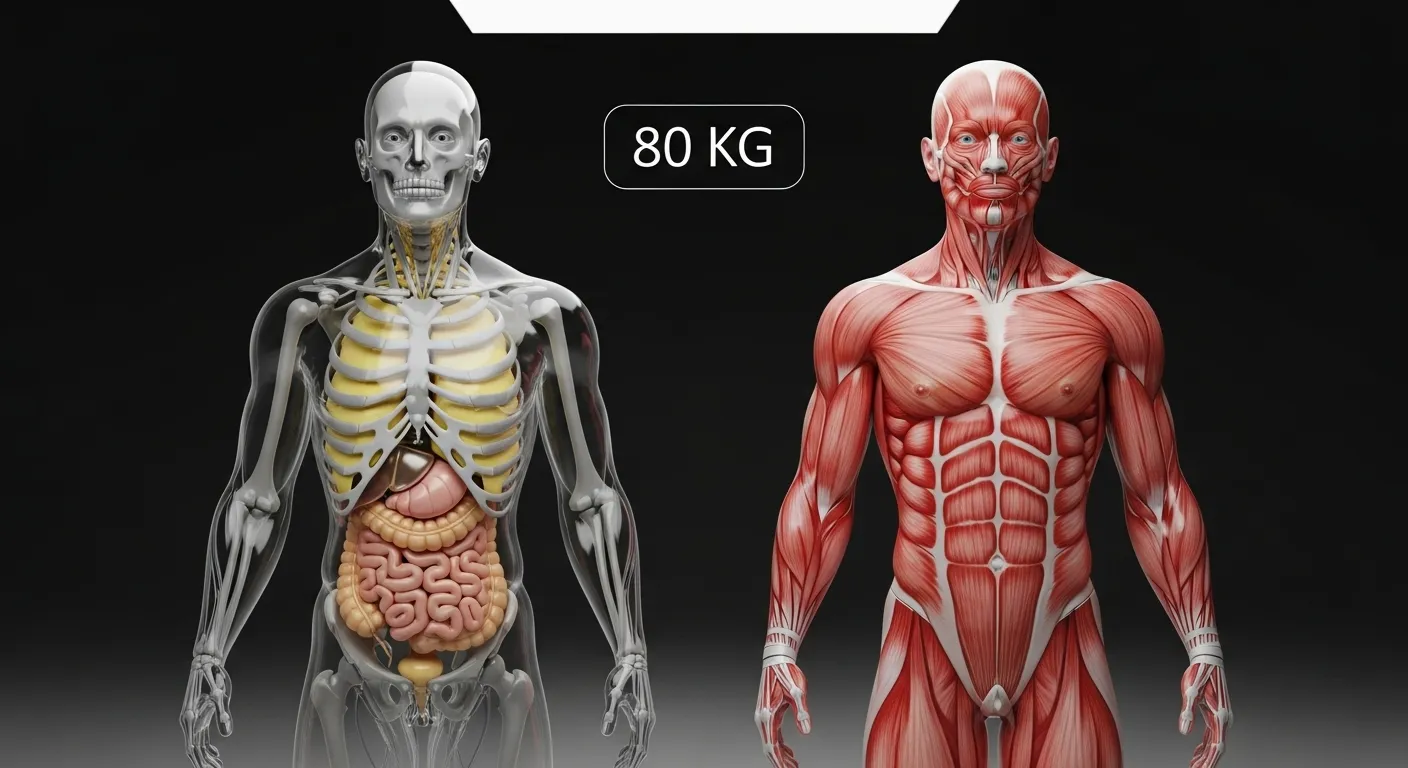
Body composition analysis showing lean mass vs fat mass ratio
Key Takeaways
- Focus on Composition, Not Just Weight - Your goal is to increase lean mass (muscle, bone, water) and decrease fat mass. This is called body recomposition, and it's a far better goal than simple weight loss.
- Lean Mass is Your Metabolic Engine - The more lean mass you have, the more calories your body burns at rest. Building it is an investment in a long-term, sustainable healthy metabolism.
- Nutrition and Training are a Team - You cannot out-train a poor diet, and you can't build significant muscle without the right training stimulus. Success lies in the synergy between fueling your body properly and challenging it effectively.
- Accurate Tracking is Key - Use methods like InBody or DEXA scans for a clear picture of your progress. Relying solely on the scale can be discouraging and inaccurate.
What Exactly Is Lean Mass vs. Fat Mass? (The Foundation)
Let’s break these two core components down in simple terms. Think of your body as a high-performance car.
Fat Mass is essentially your body’s stored energy reserve. It includes two main types:
- Subcutaneous Fat: This is the fat just under your skin that you can pinch.
- Visceral Fat: This is the more dangerous fat that surrounds your internal organs. High levels of visceral fat are linked to significant health risks.
A certain amount of fat is essential for hormone production, vitamin absorption, and protecting your organs. But excess fat mass, particularly visceral fat, weighs the body down without contributing to function. It’s like carrying extra, unnecessary fuel tanks on your car.
Lean Mass (often called Lean Body Mass or LBM) is everything else. It is the functional, metabolically active tissue in your body. This includes:
- Skeletal Muscle Mass: The engine of your body. This is what you build through resistance training. It moves you, burns calories, and gives your body shape and definition.
- Bones: Your body’s structural framework.
- Organs: Your heart, liver, kidneys, etc.
- Water and Connective Tissues.
Your lean mass vs fat mass ratio is simply the proportion of these two components. Improving this ratio means building up your “engine” (lean mass) while reducing the excess “fuel tanks” (fat mass).
Why Your Lean Mass to Fat Mass Ratio is the Metric That Truly Matters
Obsessing over the scale is a recipe for frustration. Here’s why shifting your focus to your body composition ratio will revolutionize your results:
- It Reveals Your True Health: A healthy body fat percentage is a far better indicator of metabolic health than your Body Mass Index (BMI), which can’t differentiate between muscle and fat. From my experience with countless clients, many who are “overweight” by BMI standards are actually incredibly strong and healthy due to high muscle mass.
- It Turbocharges Your Metabolism: Muscle is metabolically “expensive” tissue. A pound of muscle burns significantly more calories at rest than a pound of fat. By increasing your lean mass, you are literally turning your body into a more efficient, 24/7 calorie-burning machine.
- It Builds a Stronger, More Resilient Body: More lean mass means stronger bones, better balance, and a reduced risk of injury. This is especially critical as we age, a concept known as “sarcopenia” (age-related muscle loss) is a major factor in reduced quality of life. [Dış link önerisi: A study from the National Institutes of Health on the effects of sarcopenia].
- It Sculpts the Physique You Want: You don’t want to just be a “smaller” version of yourself. You want to be a stronger, more toned, and more defined version. That “toned” look is the direct result of having more lean muscle and less body fat covering it up.
How to Accurately Measure Your Body Composition
If you don’t measure it, you can’t manage it. While you can track progress through photos and how your clothes fit, getting objective data is a game-changer.
Here are the most common methods, from least to most accurate:
-
At-Home Bioelectrical Impedance (BIA) Scales: These send a tiny, harmless electrical current through your body. Because fat and muscle conduct electricity differently, the scale estimates your body composition.
- Pros: Convenient, affordable.
- Cons: Accuracy can be wildly affected by your hydration levels, when you last ate, and when you last exercised. Use it as a general trend-tracker, not an absolute measure.
-
Skinfold Calipers: A trained professional pinches your skin at several points on your body to measure subcutaneous fat.
- Pros: Inexpensive, portable.
- Cons: Highly dependent on the skill of the person taking the measurement. Doesn’t measure visceral fat.
-
InBody Scans (Medical-Grade BIA): These are far more sophisticated than at-home scales. They use multiple frequencies and often have hand and foot sensors, providing a detailed segmental analysis (e.g., lean mass in your right arm vs. your left leg).
- Pros: Fast, non-invasive, and provides highly detailed data. Excellent for tracking progress over time.
- Cons: Can still be influenced by hydration, but much less so than home scales.
-
DEXA (Dual-Energy X-ray Absorptiometry) Scan: This is widely considered the gold standard. It uses low-dose X-rays to provide a precise breakdown of your bone mass, fat mass, and lean mass.
- Pros: Extremely accurate and reliable.
- Cons: More expensive and requires finding a facility that offers the service.
My recommendation? For most people serious about their fitness, getting an InBody or DEXA scan every 3-6 months provides the best balance of accuracy and accessibility for tracking real progress.
The Strategic Blueprint: How to Increase Lean Mass Without Gaining Fat
Improving your lean mass versus fat mass ratio requires a two-pronged attack. You must give your body a reason to build muscle and the resources to do it.
Principle 1: Smart Resistance Training (The Reason)
Endless cardio won’t build the strong, metabolic engine you want. You need to send a clear signal to your body that it needs to get stronger. That signal is resistance training.
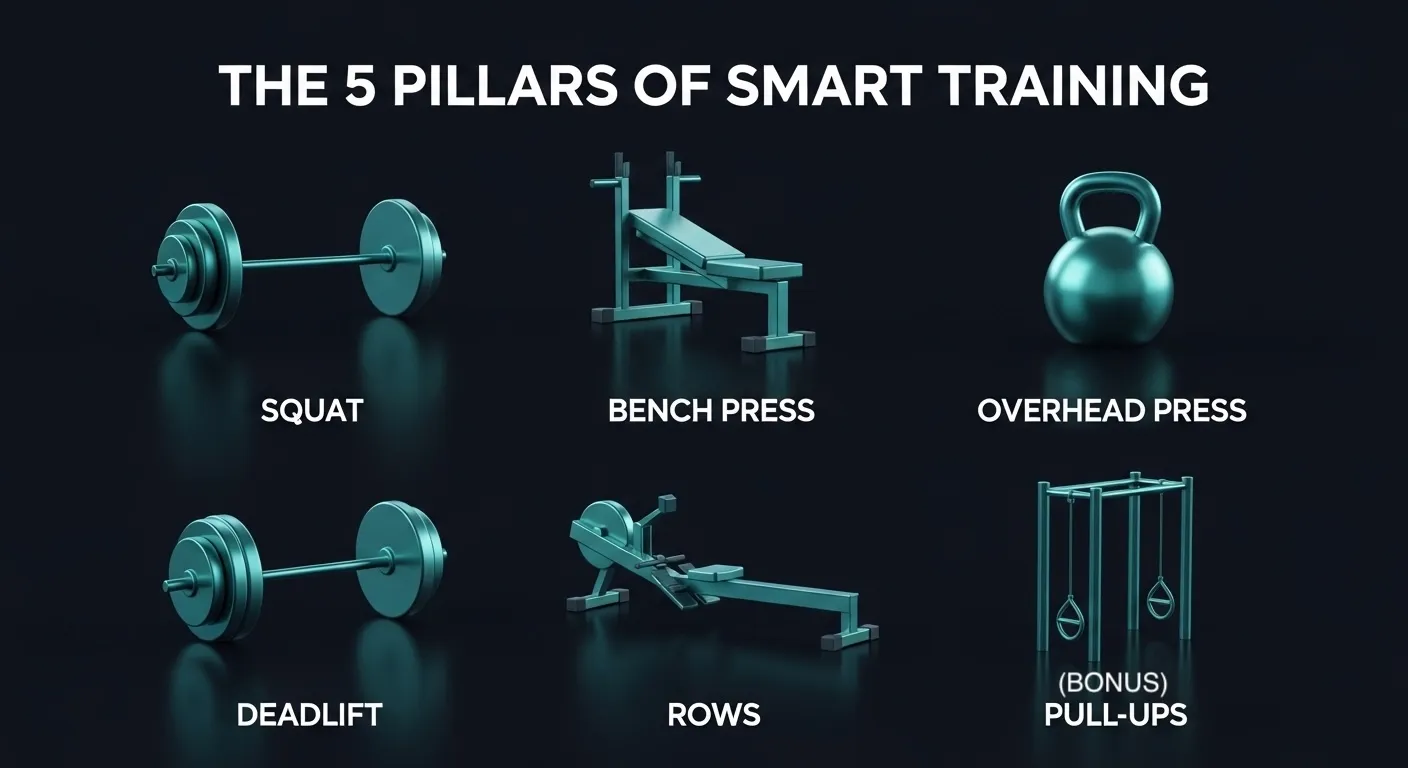
- Focus on Compound Lifts: Prioritize exercises that work multiple muscle groups at once. Squats, deadlifts, bench presses, overhead presses, and rows are the cornerstones of an effective program. They provide the most “bang for your buck” in terms of muscle stimulation and hormone response.
- Embrace Progressive Overload: This is the golden rule of getting stronger. To build muscle, you must consistently challenge it more over time. This can mean lifting slightly heavier weights, doing more reps or sets, or reducing rest time. Your body won’t change if it’s never given a reason to.
- Aim for 2-4 Sessions Per Week: Consistency is paramount. Many people I’ve trained see fantastic results by hitting each major muscle group 1-2 times per week with intensity and focus.
[PRO-TİP: Don’t fear lifting heavy! The idea that lifting heavy weights makes women “bulky” is a persistent myth. Building significant muscle mass is incredibly difficult and requires a very specific, high-calorie diet. For most, lifting heavy builds dense, strong muscle that creates a lean, toned physique.]
Principle 2: Fueling for Muscle Gain, Not Fat Storage (The Resources)
Your workouts are the stimulus; your nutrition is the recovery and growth.
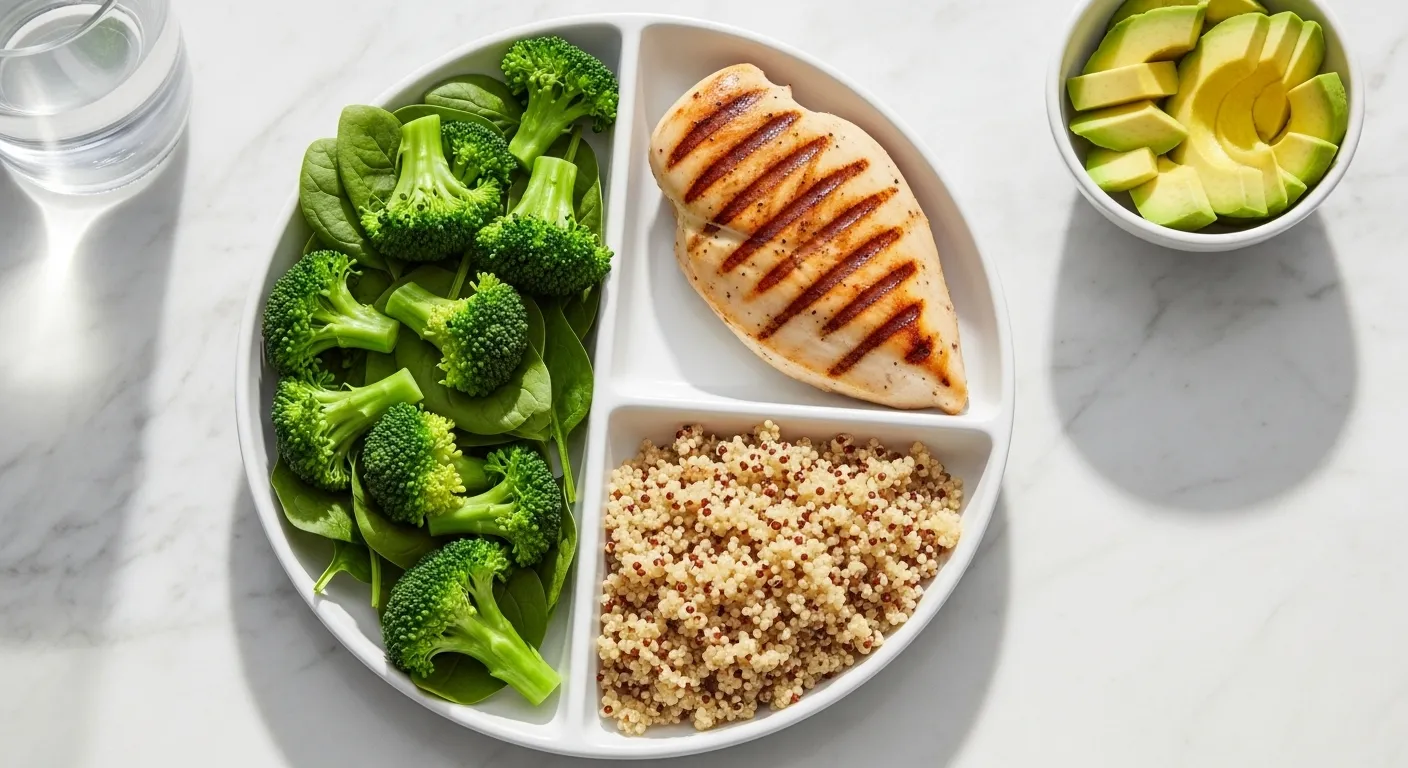
- Prioritize Protein: Protein provides the amino acids that are the literal building blocks of new muscle tissue. Aim for a consistent intake spread throughout the day. A good starting point for active individuals is around 1.6-2.2 grams of protein per kilogram of body weight. [İç link önerisi: Our guide to the best protein sources for muscle building].
- Eat in a Slight Calorie Surplus (or Maintenance): To build new tissue, your body needs energy. However, a huge calorie surplus will lead to unwanted fat gain. For lean gains, aim for a very small surplus (200-300 calories above your maintenance level). If your primary goal is fat loss, you can still build some muscle in a slight deficit, especially if you’re new to training, as long as protein intake is high.
- Don’t Fear Carbs and Fats: Carbohydrates are your body’s primary fuel source for intense workouts. Healthy fats are crucial for hormone regulation. Focus on whole-food sources: sweet potatoes, oats, fruits, avocado, nuts, and olive oil.
Common Pitfalls to Avoid on Your Body Recomposition Journey
A common mistake I see all the time is people trying to rush the process with extreme measures. This almost always backfires. Avoid these traps:
- Drastic Calorie Cutting: Slashing your calories too low will cause your body to shed muscle along with fat. It cripples your metabolism and makes long-term fat loss nearly impossible.
- “Cardo-Only” Routines: While great for heart health, relying only on cardio will not build significant lean mass. You might lose weight, but you risk becoming a “smaller, softer” version of yourself, not a stronger, leaner one.
- Inconsistency: Hitting the gym hard for one week and then taking two weeks off won’t work. The body adapts to consistent stress. It’s far better to do three great workouts every single week than six workouts one week and zero the next.
[PRO-TİP: Sleep is your secret weapon. Your body does most of its repairing and muscle building while you sleep. Consistently getting 7-9 hours of quality sleep can dramatically improve your results and hormone profile.]
What’s a “Good” Lean Mass vs. Fat Mass Ratio? (Setting Realistic Goals)
The key is progress, not perfection. Focus on moving in the right direction—increasing your lean mass and decreasing your fat mass over time—rather than obsessing over a specific “ideal” ratio.
Conclusion: Your First Step to a Stronger Body
The scale tells you a single, unhelpful number. Your lean mass versus fat mass ratio tells you the story of your health, strength, and metabolism.
By now, you understand that building a better body isn’t about deprivation or endless hours on a treadmill. It’s a strategic process of:
- Fueling your body with the right nutrients, especially protein.
- Challenging your muscles with consistent, progressive resistance training.
- Tracking your progress with meaningful metrics that go beyond just weight.
Your journey to a healthier, more powerful body composition starts now. Your first step is simple: Ditch the scale obsession for one week. Instead, focus on hitting your protein goal every day and completing three focused resistance training workouts. That’s it. Start with the actions that matter, and the results will follow.
Elbette, isteğinizi anladım. Hem yasal olarak en yüksek korumayı sağlayan, hem SEO açısından Google’a doğru sinyalleri veren, hem de modern ve okunabilir olan, hafifçe optimize edilmiş versiyonları, olması gereken en doğru formatta (Markdown) aşağıda hazırladım.
Biçimlendirme konusunda en doğru ve profesyonel yaklaşım, başlığı kalın (bold), metnin kendisini ise eğik (italic) yazmaktır. Bu, hem uyarının önemini vurgular hem de standart metinden görsel olarak ayırarak okunabilirliği artırır.
İşte 2025 Ağustos ayı itibarıyla en ideal, modern ve güvenli versiyonlar:
Frequently Asked Questions (FAQ)
How long does it take to improve my lean mass ratio?
This depends heavily on your starting point, genetics, and consistency. A beginner who is consistent with training and nutrition can see noticeable changes in their body composition within 8-12 weeks. The key is patience; this is a marathon, not a sprint.
Can I build muscle and lose fat at the same time?
Yes, this is called body recomposition, and it's most common in beginners or individuals returning to training after a long break. It requires a high-protein diet and a consistent training stimulus. For more advanced lifters, it's often more effective to focus on distinct building (slight surplus) and cutting (slight deficit) phases.
Is improving my lean mass ratio different for people over 40?
The core principles remain the same, but individuals over 40 may need to place an even greater emphasis on resistance training to combat age-related muscle loss (sarcopenia). Prioritizing recovery, mobility, and sleep becomes even more critical. Consulting with a healthcare professional before starting a new regimen is always recommended.